Education Loans for MBA Abroad
Fund your MBA at leading business schools worldwide. Compare lenders, funding structures, repayment flexibility, and approval timelines.
.jpg&w=3840&q=75)
Loan Marketplace
10+ Premium Lenders
Funding Range
₹30L to ₹1 Cr+
Popular Programs
MBA, Executive MBA
Approval Timeline
10 to 30 days
Top Destinations
USA, UK, Europe
Is This Loan Right For You?
These loans are tailored to specific student profiles, minimizing collateral requirements and maximizing funding limits.
Business School Applicants
For students admitted to top MBA programs abroad who need funding for tuition, accommodation, and global immersion trips.
Working Professionals
For experienced professionals using their employment history to qualify for high-value, non-collateral loans.
Career Switchers
For people moving into a new industry after their MBA, who want flexible repayment options.
Future Managers and Founders
For students aiming for leadership roles or starting their own ventures after a premium business education.
Top Study Destinations
These countries are the most popular choices for students pursuing this program, with well-established lending pathways.


What Can Education Loans Cover?
Tuition Fees
Covers the full cost of your program, paid directly to your university.
Living Expenses
Groceries, transport, and other day-to-day costs.
Accommodation
Covers on-campus housing or off-campus rent, including deposits.
Travel Costs
Flights and travel to reach your study destination.
Health Insurance
Covers OSHC or IHS, which most US visas require.
Study Materials
Laptops, textbooks, and lab equipment.
Universities Commonly Funded Through Education Loans
Students from top universities worldwide use education loans to finance tuition, living expenses, accommodation, and other study-abroad costs.

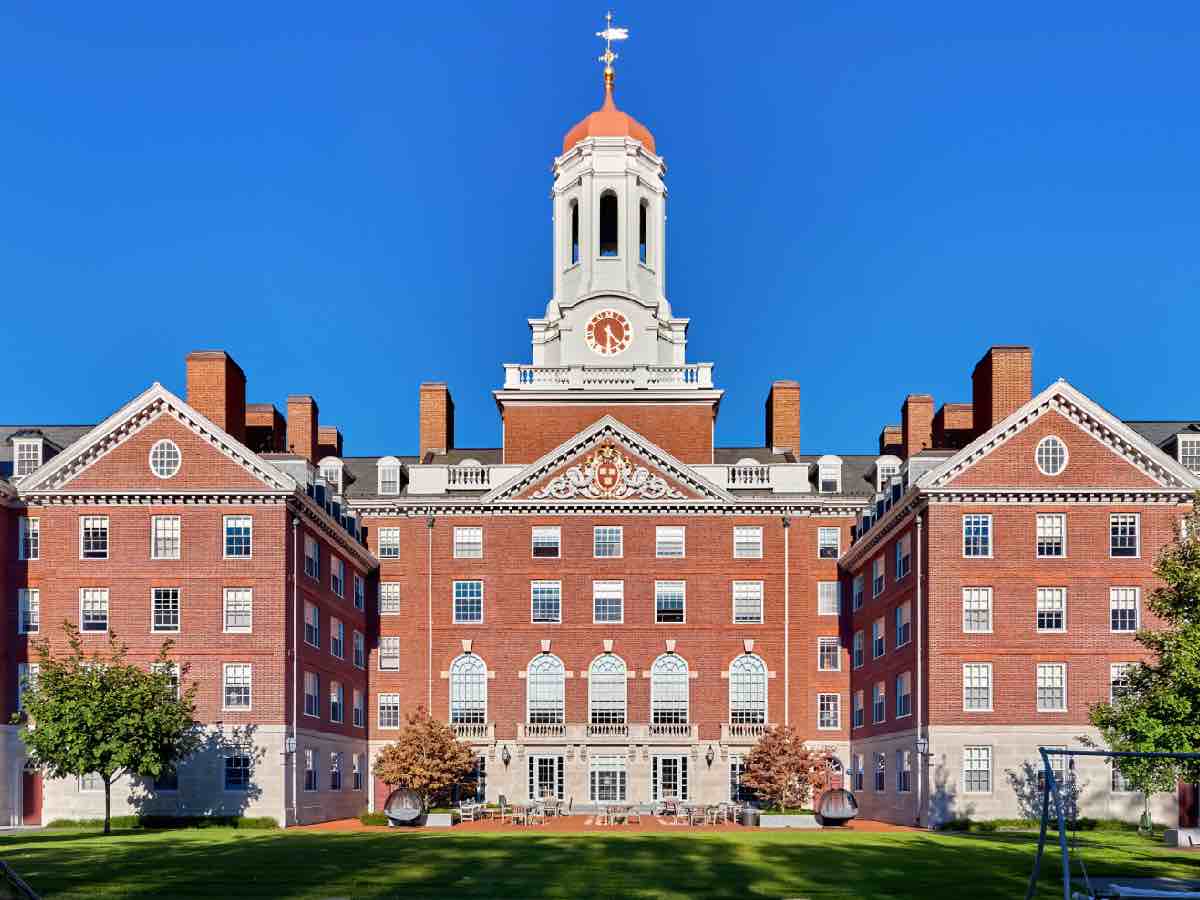
Harvard Business School

Wharton School

London Business School

Oxford Saïd Business School

Rotman School of Management
Application Timeline
Follow these steps to ensure a smooth funding process.
Step 1: Get your admission
Secure an admit from your target business school.
Step 2: Compare your loan options
Check your eligibility across multiple lenders.
Step 3: Choose the best match
Pick the loan with the lowest interest rate and best terms.
Step 4: Get loan approval
Submit your documents and receive your sanction letter.
Step 5: Pay your fees
Your lender pays the amount directly to your business school.
Step 6: Handle your visa process
Use your loan sanction letter for your visa application.
Complete Guide to MBA Education Loans
Everything you need to know about financing your Master of Business Administration degree abroad.
Quick Takeaways
- Top-tier MBA programs tend to get strong loan terms, since post-graduation salaries are high.
- Lenders weigh your prior work experience and expected post-MBA salary heavily.
- Loan amounts for M7 US schools can exceed ₹1.2 Cr.
Funding an MBA abroad
An MBA is a large investment, but strong post-graduation salaries mean applicants are a good fit for non-collateral loans.
An MBA abroad can be a major step in your career, often leading to a higher salary. It's also one of the biggest financial investments most people make. Top business schools in the US and UK charge high tuition, reflecting their faculty, alumni networks, and career outcomes.
Funding an investment this size takes real planning. Unlike undergraduate students, MBA applicants are usually working professionals in their late twenties or early thirties. They may already have financial commitments, but they also bring a work history and proven income. This changes how lenders assess them. An MBA from a well-known school raises the applicant's earning potential, which makes lenders more willing to offer loans.
Because of this, the lending market for MBA programs is active and competitive. Banks and NBFCs offer loan products built for MBA candidates, often with higher non-collateral limits, fewer co-applicant requirements, and repayment terms that match expected post-MBA salaries.
Business School Tuition Costs
Costs range from around ₹50L for Canadian programs to ₹1.6 Cr for US M7 schools.
US M7 schools
$150K to $200K
UK 1-year MBA
£70K to £100K
Canada/Australia
₹50L to ₹80L
Funding scope
tuition plus living expenses
MBA costs vary a lot depending on the school and country. An M7 school in the US, like Harvard, Stanford, or Wharton, typically costs $150,000 to $200,000 for a 2-year program, covering tuition, living expenses, health insurance, and study materials. In rupees, that's a funding need of ₹1.2 Cr to ₹1.6 Cr.
1-year MBA programs in the UK or Europe, like INSEAD, London Business School, or Oxford, take less time, which also reduces total living costs and time away from work. These programs can cost £70,000 to £100,000, roughly ₹75L to ₹1 Cr. Top schools in Canada or Australia typically need ₹50L to ₹80L.
These costs mean a solid financing plan matters. A loan for an MBA needs to cover more than tuition. It should also account for living costs in expensive cities, travel, health insurance, and any global immersion trips or exchange semesters that are part of the program.
MBA Financing Considerations
Non-collateral loans are popular because of high post-grad salaries, but collateral loans offer lower interest rates and can save money over time.
Key financing factors:
The first decision when financing an MBA is usually collateral versus non-collateral. Non-collateral loans are popular with MBA admits. Because post-graduation salaries tend to be high, lenders often offer up to ₹75L, and sometimes more than ₹1 Cr, without needing any security, if you have an admit from a top-ranked business school.
Non-collateral loans usually carry a higher interest rate, typically 11% to 13.5%, compared to secured loans, which can range from 9% to 11%. If you have property or fixed deposits, using them for a secured loan can save you a meaningful amount in interest over a 10 to 15 year repayment period.
Another factor is the loan margin, the part of the total cost you fund yourself. Many NBFCs offer 100% financing (zero margin) for top MBA programs, while public sector banks may ask for a 10% to 15% margin. It's also worth checking your moratorium period. MBA graduates often start earning well right after graduation, so many can begin repaying sooner, which reduces total interest during the moratorium.
Typical Funding Ranges
Depending on the school tier, loans range from ₹30L for specialized MiM programs to over ₹1 Cr for elite M7 schools.
For mid-tier schools or specialized Master's in Management (MiM) programs in Europe or Canada, loans typically range from ₹30L to ₹50L. Students in this range often combine a non-collateral loan with personal savings.
For admits to top 50 global business schools, funding needs usually rise to ₹60L to ₹90L. Here, specialized NBFCs and premium bank products come into play, offering large unsecured loans based mostly on the school's reputation and your work experience and GMAT score.
For the top tier, M7 schools in the US, INSEAD, or LBS, loan amounts often exceed ₹1 Cr. Getting funding at this level usually needs either substantial collateral or an international lender that specializes in funding top MBA candidates based on future earning potential. GradsLoan gives you access to lenders across all these tiers.
How GradsLoan helps you compare options
Finding the right MBA loan means comparing several lenders for loan amount, interest rate, and collateral requirements. GradsLoan brings together offers from India's leading banks and NBFCs in one place.
You can compare loan products side by side. You can see how a 0.5% difference in interest rate affects a ₹1 Cr loan over time, or weigh a 100% non-collateral loan against a lower-rate secured loan.
Our loan counselors also give you personalized guidance. They know how different lenders view specific business schools and can help match your application to lenders likely to offer good terms, based on your work experience, GMAT score, and co-applicant's finances.
MBA EDUCATION LOANS FAQs
Got specific questions about funding your MBA EDUCATION LOANS? Our loan experts are here to help.
Planning your MBA abroad?
Explore your loan options with guidance from GradsLoan's financing experts.