Education Loans for MBBS Abroad
Explore loan options for medical programs abroad. Compare funding for tuition, accommodation, travel, and living expenses.
Loan Marketplace
10+ Premium Lenders
Funding Range
₹20L to ₹60L
Popular Programs
General Medicine
Approval Timeline
10 to 30 days
Top Destinations
Europe and Asia
Is This Loan Right For You?
These loans are tailored to specific student profiles, minimizing collateral requirements and maximizing funding limits.
Medical Aspirants
For students pursuing a medical degree at WHO and NMC-recognized universities.
MBBS Abroad Students
For students seeking affordable, quality medical education in destinations like Germany or the UK.
International Medical Graduates
For future doctors planning to practice abroad or return to India after passing the FMGE screening.
Long-Duration Program Seekers
For students who need funding structured across a 5 to 6 year medical degree.
Top Study Destinations
These countries are the most popular choices for students pursuing this program, with well-established lending pathways.
.jpg&w=3840&q=75)
What Can Education Loans Cover?
Tuition Fees
Covers the full cost of your program, paid directly to your university.
Living Expenses
Groceries, transport, and other day-to-day costs.
Accommodation
Covers on-campus housing or off-campus rent, including deposits.
Travel Costs
Flights and travel to reach your study destination.
Health Insurance
Covers OSHC or IHS, which most US visas require.
Study Materials
Laptops, textbooks, and lab equipment.
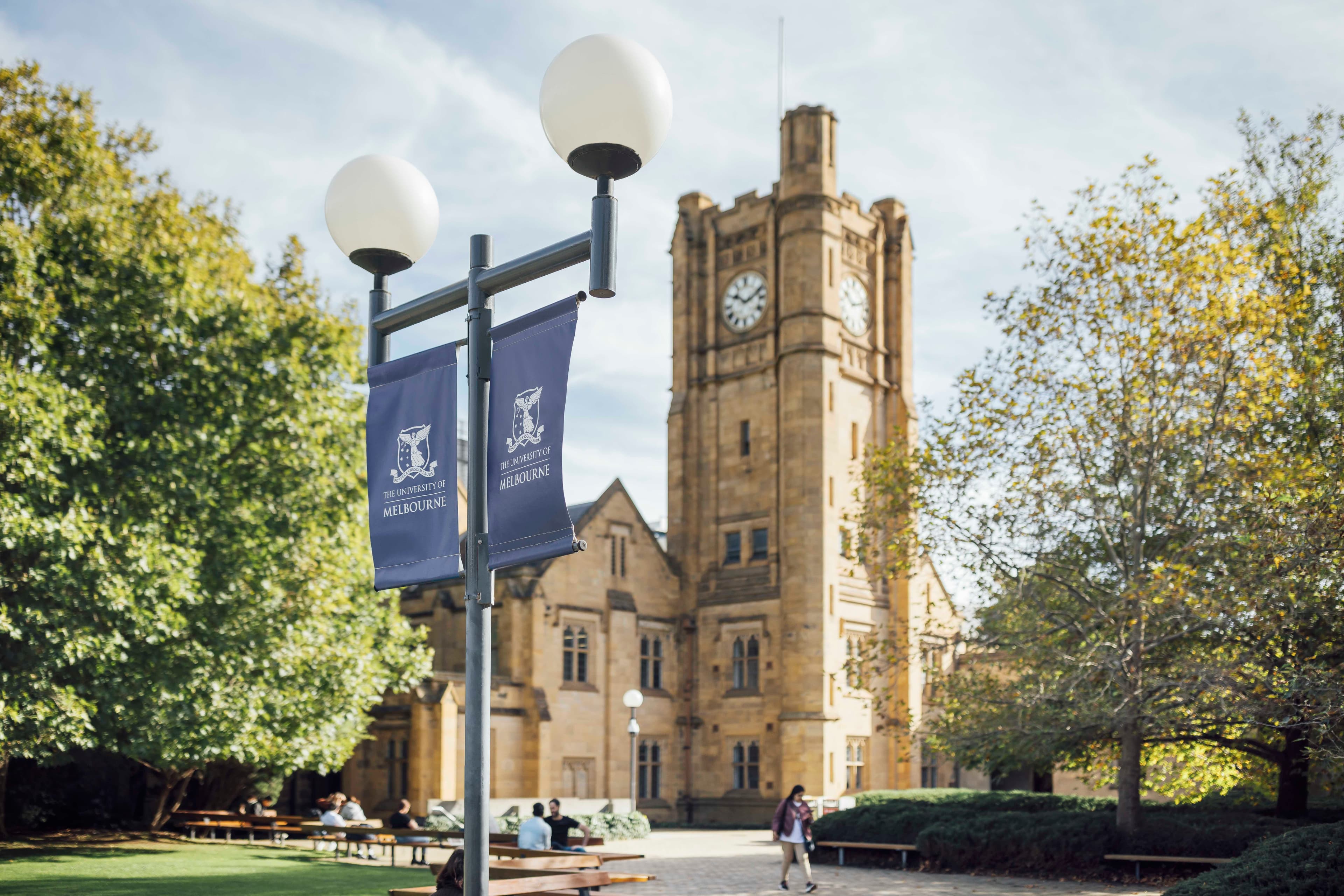
Universities Commonly Funded Through Education Loans
Students from top universities worldwide use education loans to finance tuition, living expenses, accommodation, and other study-abroad costs.

Heidelberg University

Charité – Universitätsmedizin Berlin

University of Oxford

University of Cambridge

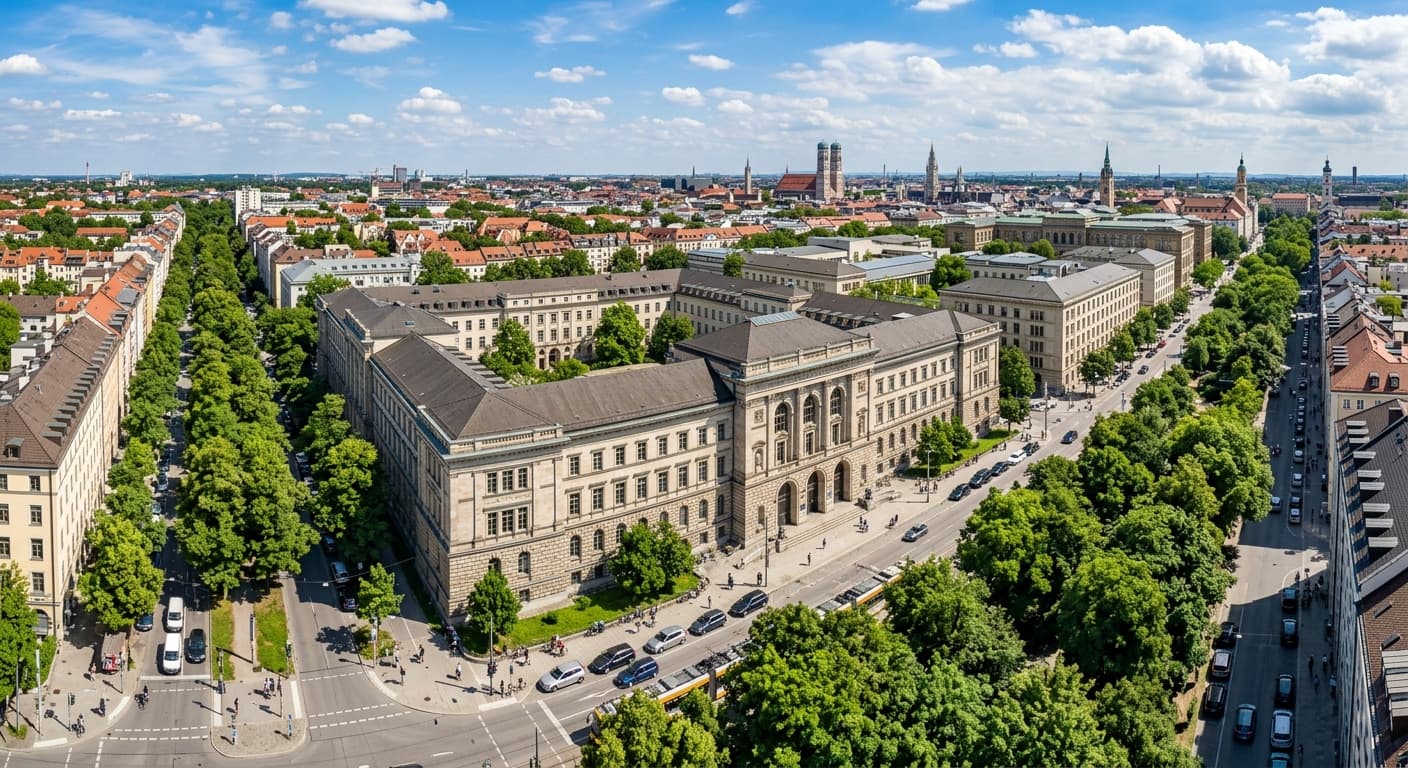
Ludwig Maximilian University of Munich (LMU Munich)
Application Timeline
Follow these steps to ensure a smooth funding process.
Step 1: Get your admission
Secure an admit from your target medical university.
Step 2: Compare your loan options
Check your eligibility across multiple lenders.
Step 3: Choose the best match
Pick the loan with the lowest interest rate and best terms.
Step 4: Get loan approval
Submit your documents and receive your sanction letter.
Step 5: Pay your fees
Your lender pays the amount directly to your university.
Step 6: Handle your visa process
Use your loan sanction letter for your visa application.
Complete Guide to MBBS Education Loans
Everything you need to know about financing your medical degree abroad.
Quick Takeaways
- MBBS abroad is a 5 to 6 year commitment, which shapes how the loan is structured.
- Secured loans, with collateral, are almost always required.
- Lenders look closely at co-applicant income, since there's no student income for years.
Funding MBBS abroad
MBBS abroad is a popular option compared to expensive private Indian colleges, but the 5 to 6 year duration changes how lenders assess the loan.
Every year, thousands of Indian students choose to study MBBS abroad. Seats in Indian government medical colleges are limited and competitive, and private colleges in India often charge high capitation fees. Universities in countries like Russia, Georgia, the Philippines, and Kazakhstan offer WHO and NMC recognized degrees, which let graduates practice in India after passing the required screening test.
Financing an MBBS abroad works differently than other degrees. Most Master's programs run 1 to 2 years, but an MBBS usually takes 5 to 6 years. That means tuition and living costs need to be funded over a much longer period. Because of this, lenders evaluate MBBS loans differently than STEM or MBA loans.
Banks focus heavily on the co-applicant's (usually a parent's) financial stability and whether collateral is available, since the student won't start earning and repaying for at least 5 years. Understanding this helps you put together a stronger loan application.
Long-duration program considerations
Since students have no income for 6+ years, lenders depend on co-applicants to cover interest payments and usually require collateral.
How duration affects the loan:
The defining feature of an MBBS program is its length, typically 5 to 6 years of study plus mandatory internships. This changes how the loan is structured. A longer course means a longer moratorium, the period before you start repaying the principal. Interest still builds up during these 6+ years, even if you're not making principal payments.
Because the student has no income during this time, lenders rely on the co-applicant's income to cover the interest during the study period. That's why parents' financial health, credit score, and stable income get checked closely.
Because the loan carries risk over a longer period, most lenders require collateral, such as residential property, commercial property, or fixed deposits, to approve an MBBS loan. Some NBFCs offer small unsecured loans, up to ₹10L to ₹15L, but funding the full cost of an MBBS degree almost always requires a secured loan. Offering collateral also usually gets you a lower interest rate, which matters over a 10 to 15 year repayment period.
Common expenses financed
MBBS loans cover 6 years of tuition, long-term living costs, travel, and basic medical equipment.
Expenses usually covered:
A loan for MBBS abroad is built to cover the full 5 to 6 year period. Tuition is the main cost, and while it's usually lower than private Indian colleges, it adds up over 6 years. The bank typically pays tuition directly to the university each year or semester.
Living expenses are the second-largest cost. This covers hostel or off-campus rent, meals, transport, and utilities. Since you'll be living abroad for over 5 years, getting an accurate estimate of living costs matters, so you don't run into financial stress in your later years of study.
The loan also usually covers annual return flights, mandatory health and travel insurance, study materials, and basic diagnostic equipment like stethoscopes. Some loans also cover the cost of preparing for the FMGE exam once you return to India.
Popular destinations for MBBS
Budgets vary widely based on the destination. While Germany offers highly affordable education, the UK and Australia represent premium options. In all cases, WHO and NMC recognition is mandatory for loan approval.
Germany
₹30L to ₹50L
United Kingdom
₹1.5 Cr to ₹2.5 Cr
Australia
₹1.8 Cr to ₹2.8 Cr
Requirement
WHO & NMC Recognized
Your destination decides the overall budget and loan amount. Germany is a highly sought-after destination because public universities often charge little to no tuition fees. Students primarily need to fund their living expenses, typically requiring a loan of ₹30L to ₹50L for the entire duration, making it a very cost-effective European option.
The United Kingdom and Australia represent premium medical education destinations with world-renowned healthcare systems. Pursuing an MBBS in the UK typically costs between ₹1.5 Cr and ₹2.5 Cr, factoring in high international tuition fees and living costs. Australia is similarly priced, with total budgets often ranging from ₹1.8 Cr to ₹2.8 Cr. While these require substantial secured loans, the high quality of education and excellent post-study career opportunities make them attractive to many aspiring doctors.
No matter the destination, the university must be recognized by the National Medical Commission (NMC) and the World Health Organization (WHO). If the institution is not recognized, Indian banks will not approve the education loan.
How GradsLoan helps
Getting an education loan for MBBS abroad means dealing with strict banking rules, collateral checks, and long-term planning. GradsLoan works with India's public sector banks, private banks, and NBFCs to help find loan products built for medical students.
You can compare secured loan options: interest rates, processing fees, and collateral requirements. We help you understand which properties are accepted as collateral and help you through the legal and valuation steps banks require.
Our loan counselors also check that your documents, including your NEET scorecard, admission letter, and your co-applicant's income proof, match what lenders expect, which lowers the chance of rejection.
MBBS ABROAD LOANS FAQs
Got specific questions about funding your MBBS ABROAD LOANS? Our loan experts are here to help.
Planning your MBBS abroad?
Explore your loan options with guidance from GradsLoan's financing experts.