Education Loans for MS Abroad
Compare loan options for Master's programs at top global universities. Explore funding for tuition, living costs, travel, insurance, and more through GradsLoan's lending marketplace.
Loan Marketplace
10+ Premium Lenders
Funding Range
₹25L to ₹75L
Popular Programs
Computer Science, Data Science, Engineering
Approval Timeline
10 to 30 days
Top Destinations
USA, Canada, UK
Is This Loan Right For You?
These loans are tailored to specific student profiles, minimizing collateral requirements and maximizing funding limits.
Computer Science Students
For top-tier MS CS programs, where tuition and living costs run high.
Data Science Students
For specialized degrees in analytics, machine learning, and big data.
Engineering Students
For advanced degrees in mechanical, electrical, or civil engineering.
STEM Applicants
For students in Science, Technology, Engineering, and Math fields, who often qualify for extended OPT periods.
Top Study Destinations
These countries are the most popular choices for students pursuing this program, with well-established lending pathways.
.jpg&w=3840&q=75)

What Can Education Loans Cover?
Tuition Fees
Covers the full cost of your program, paid directly to your university.
Living Expenses
Groceries, transport, and other day-to-day costs.
Accommodation
Covers on-campus housing or off-campus rent, including deposits.
Travel Costs
Flights and travel to reach your study destination.
Health Insurance
Covers OSHC or IHS, which most US visas require.
Study Materials
Laptops, textbooks, and lab equipment.
Universities Commonly Funded Through Education Loans
Students from top universities worldwide use education loans to finance tuition, living expenses, accommodation, and other study-abroad costs.

MIT

Stanford University

Carnegie Mellon University
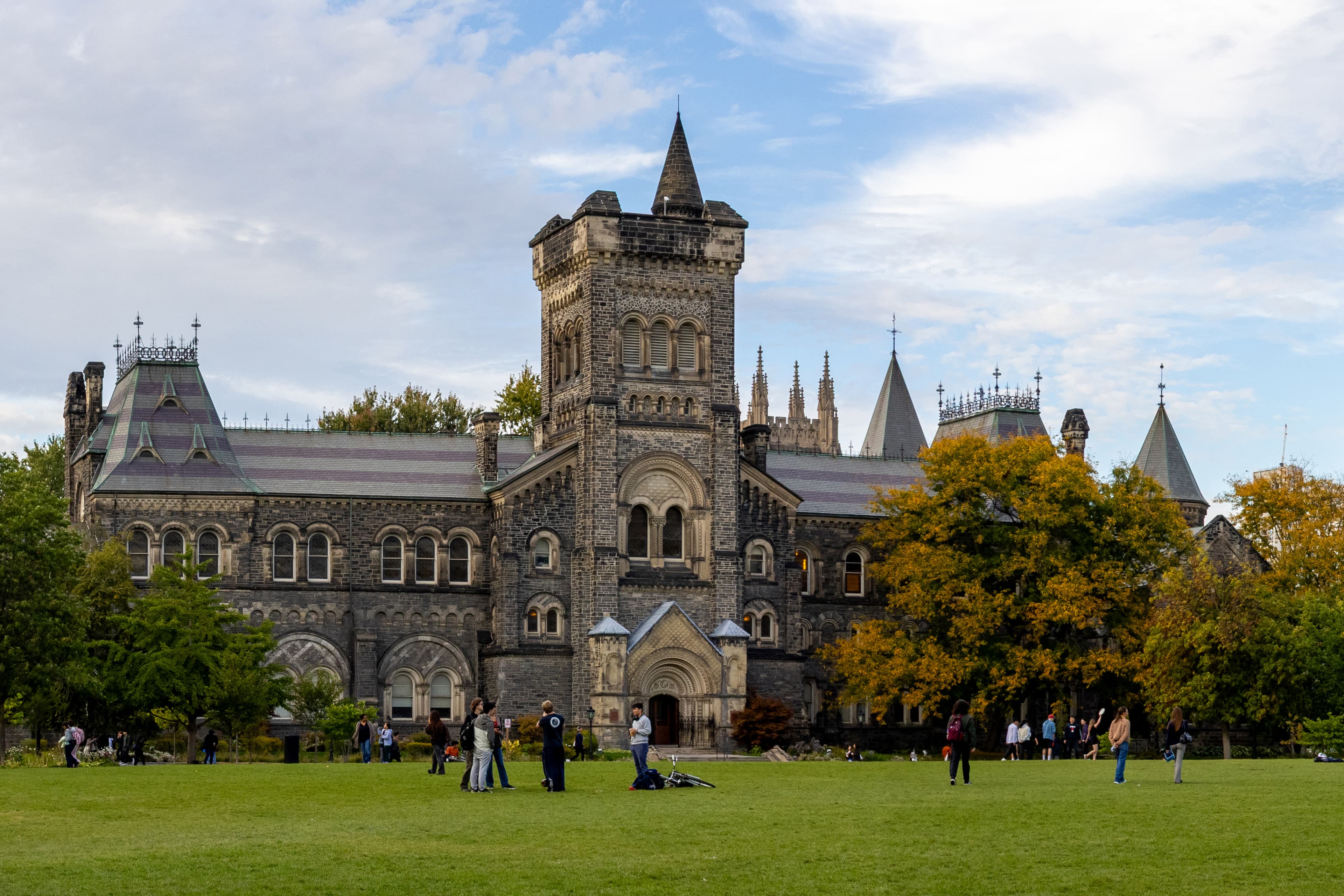
University of Toronto
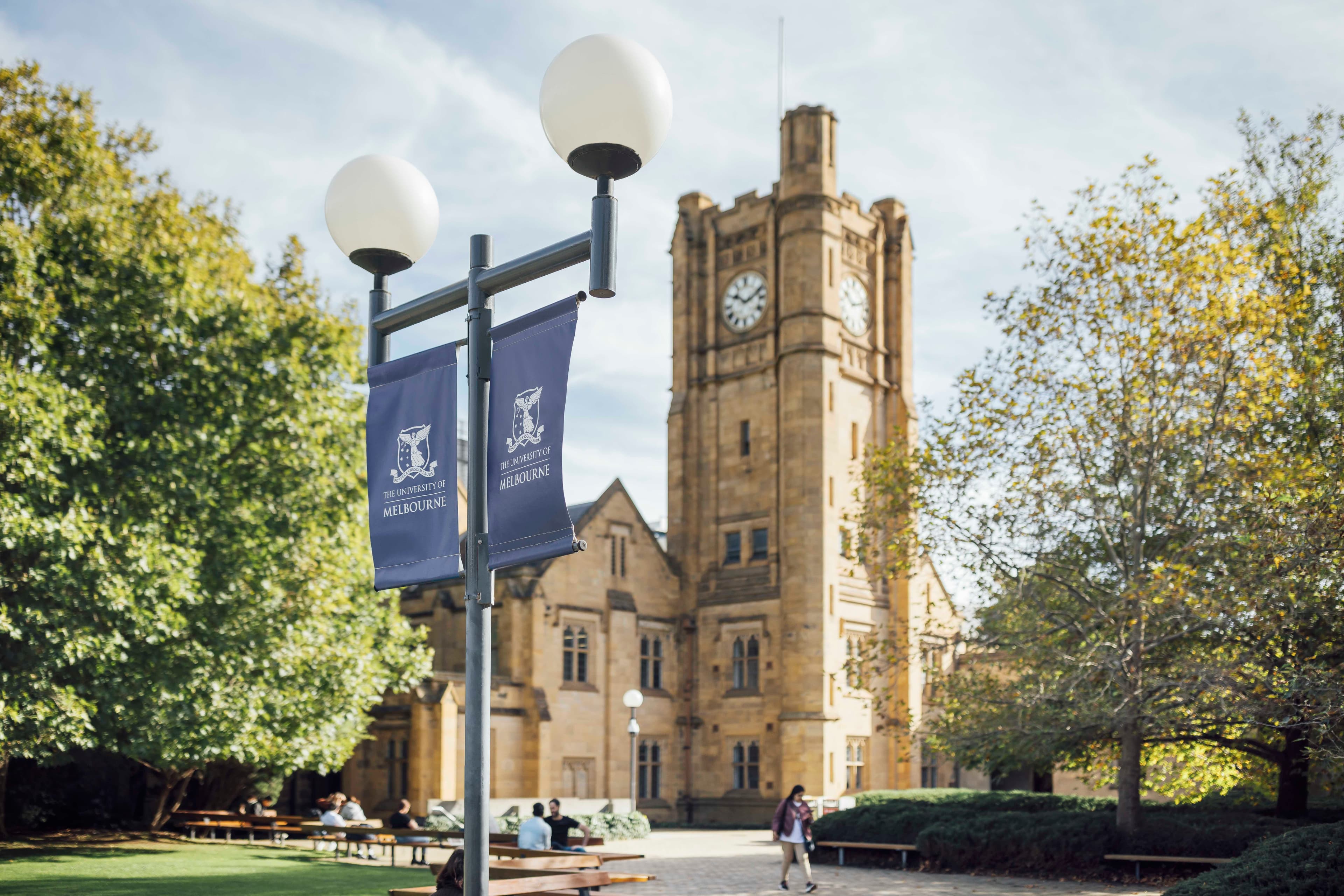
University of Melbourne
Application Timeline
Follow these steps to ensure a smooth funding process.
Step 1: Get your admission
Secure an admit from your target university.
Step 2: Compare your loan options
Check your eligibility across multiple lenders.
Step 3: Choose the best match
Pick the loan with the lowest interest rate and best terms.
Step 4: Get loan approval
Submit your documents and receive your sanction letter.
Step 5: Pay your fees
Your lender pays the amount directly to your university.
Step 6: Handle your visa process
Use your loan sanction letter for your visa application.
Complete Guide to MS Education Loans
Everything you need to know about financing your Master of Science degree abroad.
Quick Takeaways
- STEM MS degrees tend to get the best loan terms, since lenders favor them.
- Non-collateral loans up to ₹75L are available for top programs.
- USA, UK, and Germany each have different funding requirements and visa rules.
Why students pursue an MS abroad
An MS abroad gives you global exposure, access to strong research programs, and good job prospects, which is why lenders tend to favor these degrees.
Pursuing a Master of Science abroad is one of the most common paths for international students, especially those from STEM backgrounds. It's not just about academics. Students also get access to research facilities and faculty they might not find at home.
Graduates with an MS from top global universities are often in demand at multinational companies, tech firms, and startups. The USA, UK, Canada, and Germany all have strong links between universities and industry, offering internships and co-op programs that help students find work after graduating.
An MS from a well-known university can also raise your earning potential. Many graduates recover their education costs within a few years of starting work. This is part of why lenders are willing to offer loans to MS students: they see strong future earning potential.
Popular Destinations for MS
The USA leads for STEM programs, the UK offers shorter, lower-cost 1-year programs, and Germany's public universities charge little to no tuition.
Destination benefits:
Your destination shapes both your academic experience and how you'll finance it. The USA remains the top choice for MS programs, especially in Computer Science, AI, and Data Analytics. Its Optional Practical Training (OPT) program, including the STEM extension, lets graduates work for up to 3 years after finishing their degree.
The UK has become more popular in recent years, largely because of its 1-year Master's programs, which cost less overall than a typical 2-year degree. Combined with the Graduate Route visa, which allows 2 years of post-study work, the UK offers strong value.
Canada and Germany are also popular among MS students. Canada is known for a clear path to Permanent Residency. Germany is known for engineering strength and largely tuition-free public universities. Each destination has different financial requirements, which shapes your loan strategy.
Typical Funding Requirements
Funding needs vary a lot by destination, from around ₹12L for Germany's blocked account to ₹1.2Cr for a 2-year US program.
USA MS Cost
$60K to $80K per year
UK 1-year MS
£32K to £45K total
Germany Blocked Account
€11,208 per year
Max Funding Available
Up to 100%
Funding needs for an MS abroad vary a lot by destination and university. An MS at a private US university can cost $60,000 to $80,000 per year including tuition and living expenses. Over a 2-year program, that adds up to a loan requirement of ₹80L to ₹1.2 Cr.
A 1-year MS in the UK usually needs £20,000 to £30,000 for tuition, plus £12,000 to £15,000 for living expenses, which comes to roughly ₹35L to ₹50L in total. Germany is different: tuition is often free or low-cost at public universities, but you'll need to deposit around €11,208 into a blocked account to prove you can cover your first year's living costs. A loan for Germany typically ranges from ₹12L to ₹15L.
Lenders use these funding requirements to decide your maximum loan amount, and can often cover up to 100% of what you need, depending on your academic profile and collateral, if you're offering any.
Common Expenses Financed
Education loans typically cover tuition, living costs, travel, health insurance, and sometimes even test fees.
Expenses usually covered:
A loan for an MS abroad usually covers more than just tuition. Tuition is the largest part, often 60% to 70% of the total loan amount. Lenders typically pay this portion directly to your university on their fee schedule.
Living expenses are the second-largest part. This includes accommodation, groceries, utilities, and daily transport. Many countries require proof that you can cover these costs before issuing a student visa. In the USA, for example, this proof is needed to get your I-20 form.
Loans also often cover flights, mandatory health insurance, laptops, and study materials. Some lenders will also cover the cost of tests like IELTS, TOEFL, or GRE, if you apply for reimbursement after the fact.
Planning Your Loan
Choosing between collateral and non-collateral loans, and understanding the moratorium period, are 2 of the biggest decisions in loan planning.
Non-collateral loans are popular with MS students, especially those admitted to top universities, because lenders are willing to approve them based on future earning potential. These loans process faster but may carry slightly higher interest rates.
Collateral loans, backed by property or fixed deposits, usually offer lower interest rates and longer repayment periods. They work well for expensive programs, or for students who don't meet the stricter academic requirements for unsecured loans.
Another key factor is the moratorium period, the gap before you start repaying. Most education loans give you a moratorium covering your course length plus 6 to 12 months. During this time, you may only pay simple interest, or in some cases nothing at all. Understanding how interest builds up during this period matters for your long-term repayment plan.
How GradsLoan Helps
Comparing lenders on your own means dealing with different interest rates, fees, and terms across many banks. GradsLoan brings together offers from India's top banks, NBFCs, and international lenders, specifically for MS programs.
You can compare loan options side by side: interest rates, processing fees, and collateral requirements, all in one view. Our loan counselors work with you to understand your university's specific financial requirements and match you with lenders likely to approve your application quickly.
GradsLoan also helps with your documentation, checking your application for completeness and errors, which speeds up approval. Whether you need a large unsecured loan for a top US university or a smaller loan for Germany's blocked account, GradsLoan helps you compare your options and apply with support.
MS EDUCATION LOANS FAQs
Got specific questions about funding your MS EDUCATION LOANS? Our loan experts are here to help.
Planning your MS abroad?
Explore your loan options with guidance from GradsLoan's financing experts.